


Internet Outages: A Growing Societal Impact
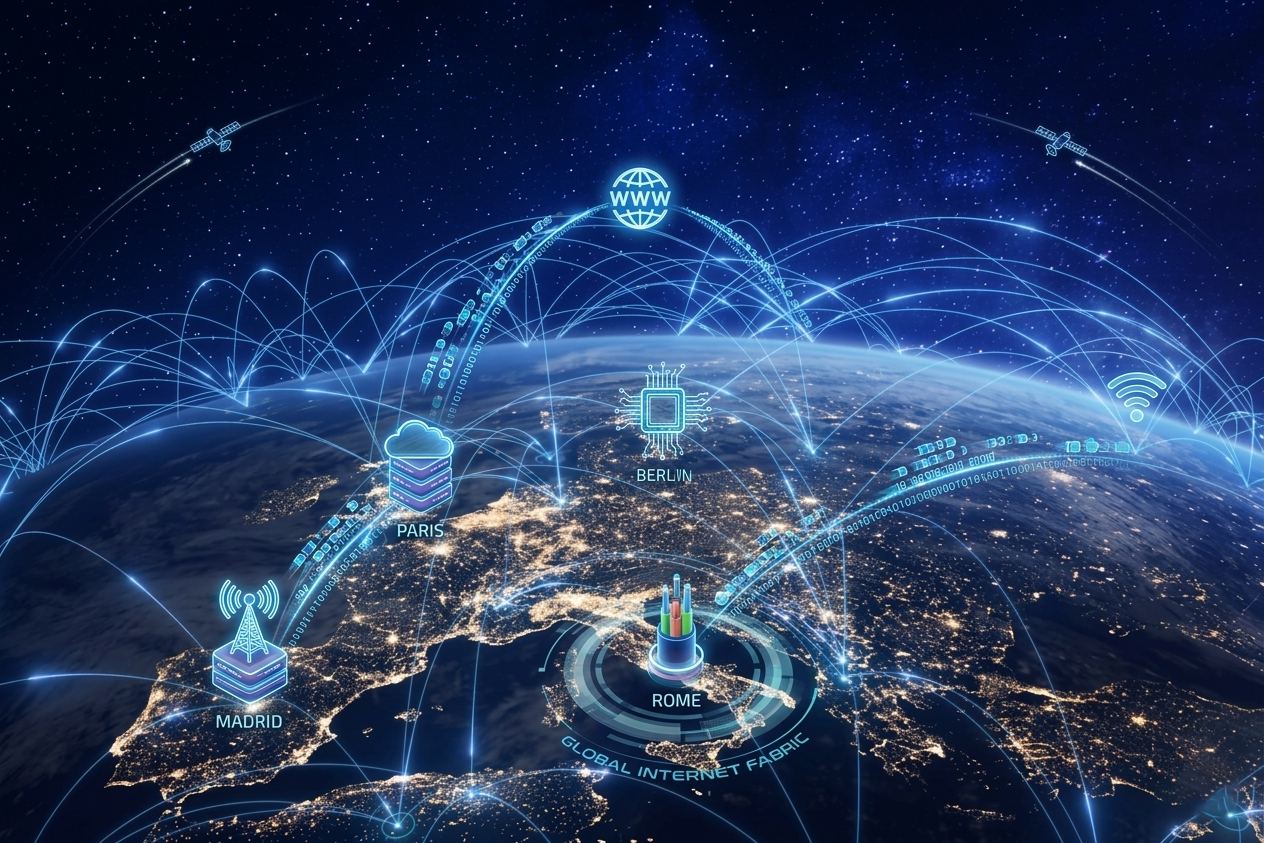
The pervasive nature of internet outages is rapidly transitioning from a simple inconvenience to a significant and increasingly visible societal challenge. Once confined to isolated incidents, these disruptions are now impacting nearly every facet of modern life, from essential services and economic stability to social cohesion and educational opportunities. The scale and frequency of these outages are growing, driven by a complex interplay of factors including aging infrastructure, cyberattacks, and the increasing reliance on digital technologies.
This isn’t just about losing access to websites; it’s about disrupting critical systems, hindering communication, and exacerbating existing inequalities. The consequences are far-reaching, impacting everything from healthcare and emergency response to business operations and civic engagement. This analysis will explore the multifaceted ways in which internet outages are reshaping our world, examining the root causes, the immediate effects, and potential long-term solutions.
We’ll delve into the widening digital divide, the economic ramifications for businesses and individuals, and the challenges of maintaining reliable connectivity in increasingly remote and underserved communities. Furthermore, we’ll consider the role of government policy, technological innovation, and individual responsibility in mitigating these growing problems. Ultimately, understanding the scope and impact of internet outages is crucial for developing proactive strategies to ensure a more resilient and equitable digital future.nn The initial impact was often localized – a brief interruption in a specific town or neighborhood.
However, recent years have witnessed a dramatic escalation in the frequency and duration of outages, particularly in rural areas and densely populated urban centers. This isn’t simply a matter of slow internet speeds; it’s a fundamental disruption of the infrastructure that underpins our modern world. Consider the critical role of internet connectivity in healthcare – remote patient monitoring, telemedicine, and emergency response systems are all heavily reliant on stable connections.

TradExcel - Professional Trading Journal
TradExcel is a professional trading journal built to help traders log, analyze, and revisit every trade. By tracking performance, strategies, and discipline, TradExcel empowers tra...

Ultrazn - Powerful Cloud Hosting for Your Digital Success
Ultrazn offers a complete digital solution with reliable domain registration, high-performance cloud hosting, secure business email, and scalable infrastructure. Designed for speed...

OctaSend - Professional Email Marketing Platform
OctaSend is a professional email marketing platform that helps businesses create, send, and track powerful campaigns with ease. Featuring smart automation, advanced analytics, and...
Without reliable access, healthcare professionals are hampered in their ability to provide timely and effective care. Similarly, in the realm of education, students rely on online learning platforms and resources, and disruptions to internet access disproportionately affect students from low-income families and rural communities. The economic consequences are equally significant.
Businesses, particularly those reliant on cloud computing and e-commerce, are experiencing significant losses as customers lose access to online services. The tourism industry, heavily dependent on digital booking and information, is also facing challenges. Moreover, the disruption of communication networks impacts emergency services, hindering their ability to respond effectively to natural disasters and other crises.
The rise of remote work, accelerated by the COVID-19 pandemic, has further amplified these issues, with millions of workers forced to rely on unstable or unavailable internet connections. This shift has created a significant strain on businesses and individuals, leading to increased stress and anxiety. The problem isn’t just about the technology itself; it’s about the underlying infrastructure and the lack of investment in robust and resilient networks.
The consequences extend beyond immediate disruptions; they contribute to a growing sense of uncertainty and anxiety about the future. The digital divide – the gap between those who have access to reliable internet and those who do not – is widening, further exacerbating existing inequalities. Low-income communities and rural areas are often the most vulnerable to these outages, with limited access to alternative connectivity options.
Addressing this requires a multi-pronged approach, including government investment in broadband infrastructure, promotion of affordable internet access, and digital literacy programs. Furthermore, it necessitates a critical examination of the policies and practices that contribute to the problem – from outdated infrastructure to inefficient network management. Finally, individual responsibility plays a role – responsible internet usage, including avoiding bandwidth-intensive activities during outages, can help mitigate the impact of these disruptions.nn The visual representation of these outages is often captured through dramatic, cinematic imagery.
A compelling thumbnail suggests a scene of a darkened city street, illuminated only by the flickering glow of a laptop screen, emphasizing the isolation and frustration of a disrupted digital world. The color palette should be muted and desaturated, reflecting the feeling of gloom and uncertainty. Alternatively, a more abstract image could depict a network of interconnected nodes, representing the fragility of the digital infrastructure, with a single, isolated node representing a disrupted connection.
The composition should be carefully considered, utilizing a shallow depth of field to draw the viewer’s eye to the central point of disruption. The overall tone should be serious and reflective, conveying the profound impact of these outages on individuals and society. The choice of imagery should be carefully considered to effectively communicate the urgency and significance of the issue.
The lack of a watermark is crucial to maintain a professional and credible presentation. The goal is to create an image that is both visually striking and emotionally resonant, prompting viewers to consider the broader implications of these outages.nn Looking ahead, the challenge of internet outages will only intensify as technology continues to evolve and become increasingly integrated into our lives. The development of 5G technology and satellite internet offers potential solutions, but these technologies also present new challenges related to coverage and reliability.
Furthermore, the increasing use of artificial intelligence and machine learning could be leveraged to proactively detect and mitigate outages, but this requires careful consideration of privacy and security concerns. Ultimately, addressing the problem of internet outages requires a collaborative effort involving governments, technology providers, and individuals. Investing in resilient infrastructure, promoting digital literacy, and fostering responsible internet usage are all essential steps.
Ignoring this issue will only lead to further social and economic disruption, undermining the foundations of our interconnected world. The future of our society depends on our ability to ensure that everyone has access to reliable and affordable internet connectivity. The impact of these outages is not merely a technological problem; it’s a reflection of broader societal inequalities and a challenge to the promise of a truly connected world.
TradExcel - Professional Trading Journal
TradExcel is a professional trading journal built to help traders log, analyze, and revisit every trade. By tracking performance, strategies, and discipline, TradExcel empowers tra...
Ultrazn - Powerful Cloud Hosting for Your Digital Success
Ultrazn offers a complete digital solution with reliable domain registration, high-performance cloud hosting, secure business email, and scalable infrastructure. Designed for speed...
OctaSend - Professional Email Marketing Platform
OctaSend is a professional email marketing platform that helps businesses create, send, and track powerful campaigns with ease. Featuring smart automation, advanced analytics, and...
Comments (0)
Leave a Comment
No comments yet. Be the first to comment!
Related Posts



Ultrazn - Powerful Cloud Hosting for Your Digital Success
Ultrazn offers a complete digital solution with reliable domain registration, high-performance cloud hosting, secure business email, and scalable infrastructure. Designed for speed...
TradExcel - Professional Trading Journal
TradExcel is a professional trading journal built to help traders log, analyze, and revisit every trade. By tracking performance, strategies, and discipline, TradExcel empowers tra...
OctaSend - Professional Email Marketing Platform
OctaSend is a professional email marketing platform that helps businesses create, send, and track powerful campaigns with ease. Featuring smart automation, advanced analytics, and...