


macOS 27: Apple Reportedly Plans Significant Design Tweaks
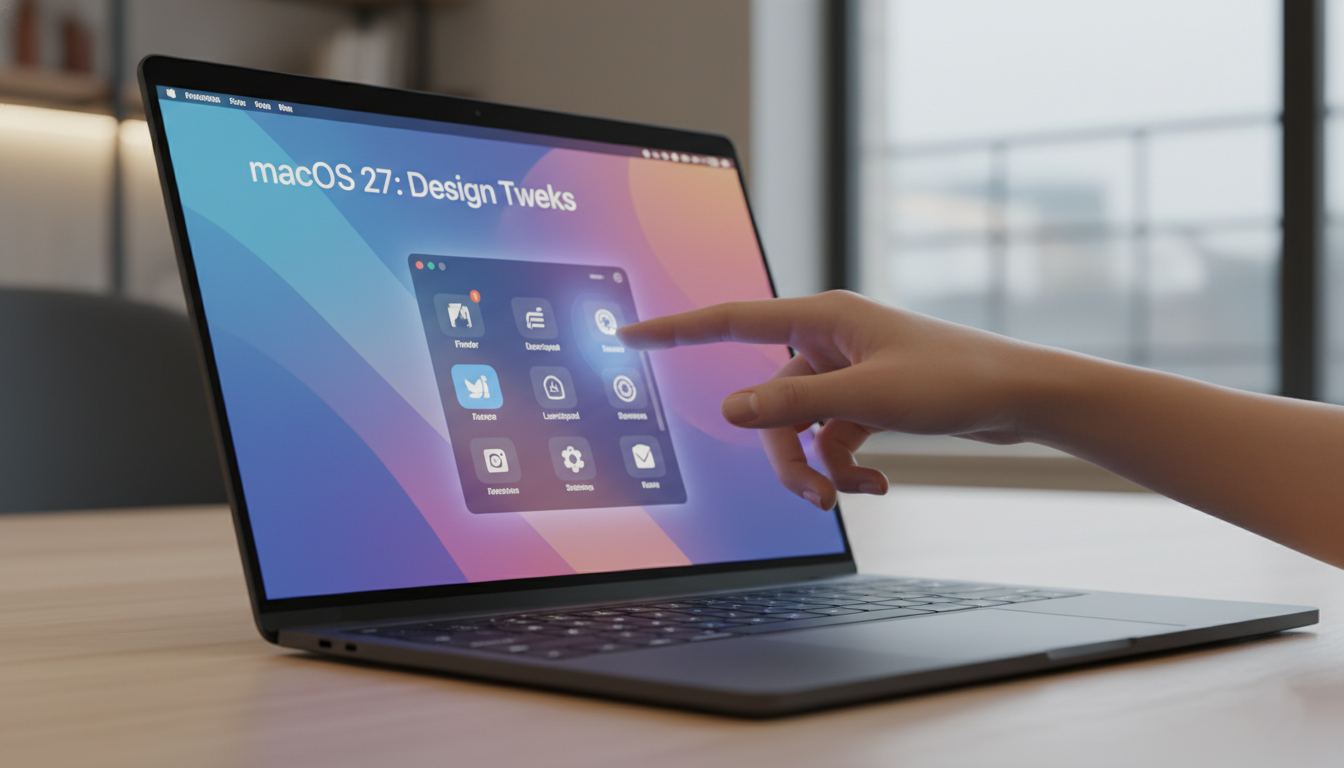
Apple is reportedly gearing up for significant design tweaks in the upcoming macOS 27, marking a potential fresh aesthetic direction for its desktop operating system. While details remain scarce and largely speculative, industry insiders and leakers suggest that the Cupertino giant is planning to refine the user interface and experience, moving beyond the foundational redesign introduced with macOS Big Sur in 2020. This anticipated update could signal a renewed focus on modernizing the macOS look and feel, ensuring it remains competitive and visually appealing in the evolving tech landscape.
The last major visual overhaul for macOS came with Big Sur, which brought a more iOS-like aesthetic, including redesigned icons, a new Control Center, and a refreshed Dock. Since then, subsequent macOS versions have primarily focused on feature enhancements and performance improvements, with only minor iterative design changes. The current rumors for macOS 27 suggest a more substantial re-evaluation of the user interface, aiming to address areas that might have become stagnant or could benefit from a contemporary touch.

This could involve anything from subtle refinements to more noticeable alterations across core system elements. Speculation points to several key areas that could see design revisions. These might include updates to the Finder, which has largely retained its classic structure, or a more streamlined and intuitive System Settings application.

TradExcel - Professional Trading Journal
TradExcel is a professional trading journal built to help traders log, analyze, and revisit every trade. By tracking performance, strategies, and discipline, TradExcel empowers tra...

OctaSend - Professional Email Marketing Platform
OctaSend is a professional email marketing platform that helps businesses create, send, and track powerful campaigns with ease. Featuring smart automation, advanced analytics, and...

Ultrazn - Powerful Cloud Hosting for Your Digital Success
Ultrazn offers a complete digital solution with reliable domain registration, high-performance cloud hosting, secure business email, and scalable infrastructure. Designed for speed...
Apple could also be looking to refresh native applications, bringing them more in line with a unified design language that spans across macOS, iOS, and iPadOS, without sacrificing the distinct desktop experience. The goal would likely be to enhance usability, visual coherence, and overall user delight, making interactions smoother and more engaging for both new and long-time Mac users. The motivation behind these rumored design tweaks could stem from several factors.
Firstly, the need to keep macOS visually fresh and aligned with contemporary design trends. Secondly, an ongoing effort to improve consistency across Apple's ecosystem, making the transition between devices more seamless. Thirdly, user feedback might have highlighted areas where the current UI could be improved in terms of clarity, efficiency, or aesthetic appeal.
As hardware continues to evolve with more powerful displays and varying form factors, the software interface must adapt to leverage these advancements fully. It's important to distinguish between "tweaks" and a complete "redesign." While Big Sur was a radical departure, macOS 27's changes might be more about refinement and optimization rather than a ground-up overhaul. This could mean updated iconography, refined windowing systems, enhanced animations, or a more modern color palette.
The aim would be to polish the existing foundation, addressing minor inconsistencies and introducing subtle, yet impactful, improvements that enhance the overall user experience without alienating existing users with drastic, unfamiliar changes. As with all major macOS updates, the official unveiling is typically reserved for Apple's annual Worldwide Developers Conference (WWDC), usually held in June. It is there that developers and the public will get their first glimpse of macOS 27, codenamed and detailed by Apple executives.
Until then, these reports serve to build anticipation for what could be a significant step forward in the visual evolution of the Mac operating system, promising a refreshed and perhaps even more intuitive computing experience for millions of users worldwide. The tech community will be eagerly watching for any official confirmations and previews.
OctaSend - Professional Email Marketing Platform
OctaSend is a professional email marketing platform that helps businesses create, send, and track powerful campaigns with ease. Featuring smart automation, advanced analytics, and...
Ultrazn - Powerful Cloud Hosting for Your Digital Success
Ultrazn offers a complete digital solution with reliable domain registration, high-performance cloud hosting, secure business email, and scalable infrastructure. Designed for speed...
TradExcel - Professional Trading Journal
TradExcel is a professional trading journal built to help traders log, analyze, and revisit every trade. By tracking performance, strategies, and discipline, TradExcel empowers tra...
Comments (0)
Leave a Comment
No comments yet. Be the first to comment!
Related Posts



OctaSend - Professional Email Marketing Platform
OctaSend is a professional email marketing platform that helps businesses create, send, and track powerful campaigns with ease. Featuring smart automation, advanced analytics, and...
Ultrazn - Powerful Cloud Hosting for Your Digital Success
Ultrazn offers a complete digital solution with reliable domain registration, high-performance cloud hosting, secure business email, and scalable infrastructure. Designed for speed...
TradExcel - Professional Trading Journal
TradExcel is a professional trading journal built to help traders log, analyze, and revisit every trade. By tracking performance, strategies, and discipline, TradExcel empowers tra...